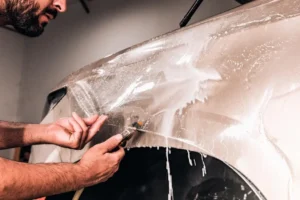

Automatic car washes are convenient, but wrapped vehicles need extra caution. Brushes, high-pressure jets, and harsh tunnel chemicals can lift edges, scratch laminate, and shorten wrap life—especially on newer installs still curing.
Are Automatic Car Washes Safe for Vinyl Wraps?
The short answer: most installers recommend avoiding traditional brush tunnels. Touchless or brushless washes are sometimes acceptable, but even those use strong chemicals and targeted high-pressure rinse arms that can force water under seams.
Riskiest Wash Types
- Brush tunnels — bristles catch edges and matte finishes
- High-pressure rinse — can peel film near mirrors, bumpers, and door jambs
- Hot wax applications — chemistry may stain or haze vinyl not rated for it
- Early post-install washes — adhesive needs time to bond fully
Safer Alternatives
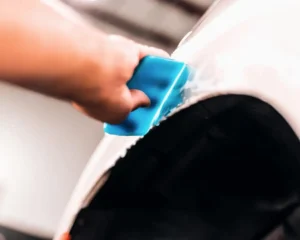
Hand washing with a microfiber mitt, two-bucket method, and pH-neutral soap is the gold standard. A foam cannon on low pressure works well for pre-rinse. For full technique, see our complete guide to washing a wrapped car.
Heat, Sun, and Wrap Seams
Texas heat already stresses adhesive. Combining UV exposure with aggressive tunnel washing increases edge lifting risk. Understanding how long wraps last in the Texas heat helps you decide whether convenience is worth potential repair costs.
FAQ
- How long should I wait after install? Follow your installer’s cure time—often several days to a week.
- Is touchless always OK? Not always; high pressure and strong detergents still pose risk.
- What if I have no choice? Choose brushless, skip add-ons, and inspect edges afterward.
Final Word
Treat a wrap like a precision finish: gentle cleaning preserves color and adhesion. If you are exploring a new wrap or replacing failing film, talk with San Antonio vehicle wrapping experts about care guidelines matched to your film and finish.